How Is Ceramic Coating Applied? Inside a Professional Application
When you hand your car to a studio for a coating, most of the real work happens where you cannot see it. You drop it off, pick it up looking incredible, and the hours in between stay a bit of a mystery. That gap is worth closing, because once you see what goes into it, you understand what you are paying for. So how is ceramic coating applied by professionals, start to finish?
The short version is that it is far more involved than wiping on a product. A quality job is mostly preparation, with the coating itself the last and quickest part. The care in the steps before the coating is what separates work that lasts from work that disappoints a few months later. Shortcuts do not show on day one. They show later, and by then the coating has sealed them in.
This walkthrough takes you behind the scenes at a studio like ours. You will see why the process takes time, why skill matters at every stage, and what good work looks like. It is a look at how the pros do it, not a guide for trying it yourself, since the margin for error is slim and the tools and training make the difference.
Why Preparation Is the Real Work
Here is the part most people do not expect when they ask how is ceramic coating applied: the coating goes on in a fraction of the time, and everything before it is where the craftsmanship lives.
A coating bonds to whatever surface it meets. If the paint is dirty, swirled, or dull underneath, the coating locks all of that in place. That is why a careful studio spends most of its time getting the paint right first. Rush this part, and even the best coating only preserves a flawed finish. Nail it, and the coating has a clean, sharp surface to protect for years.
How Is Ceramic Coating Applied: The Full Process
So let us walk through the coating application process the way it generally unfolds. Each stage builds on the one before, which is why order and patience matter.
Here is how a professional job generally moves:
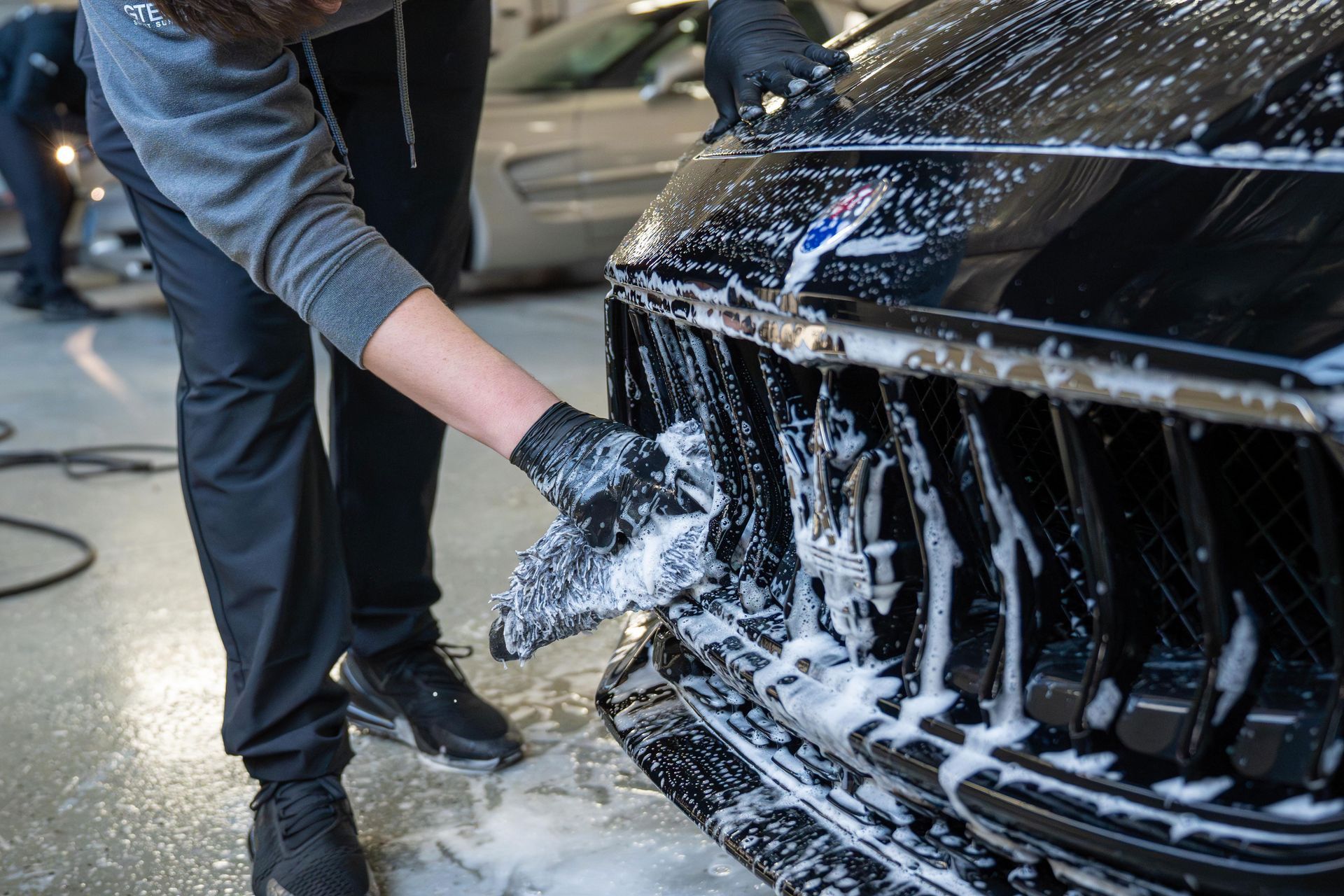
- A thorough cleaning to clear away everyday dirt and road film
- Paint decontamination to lift away bonded grime the wash cannot reach
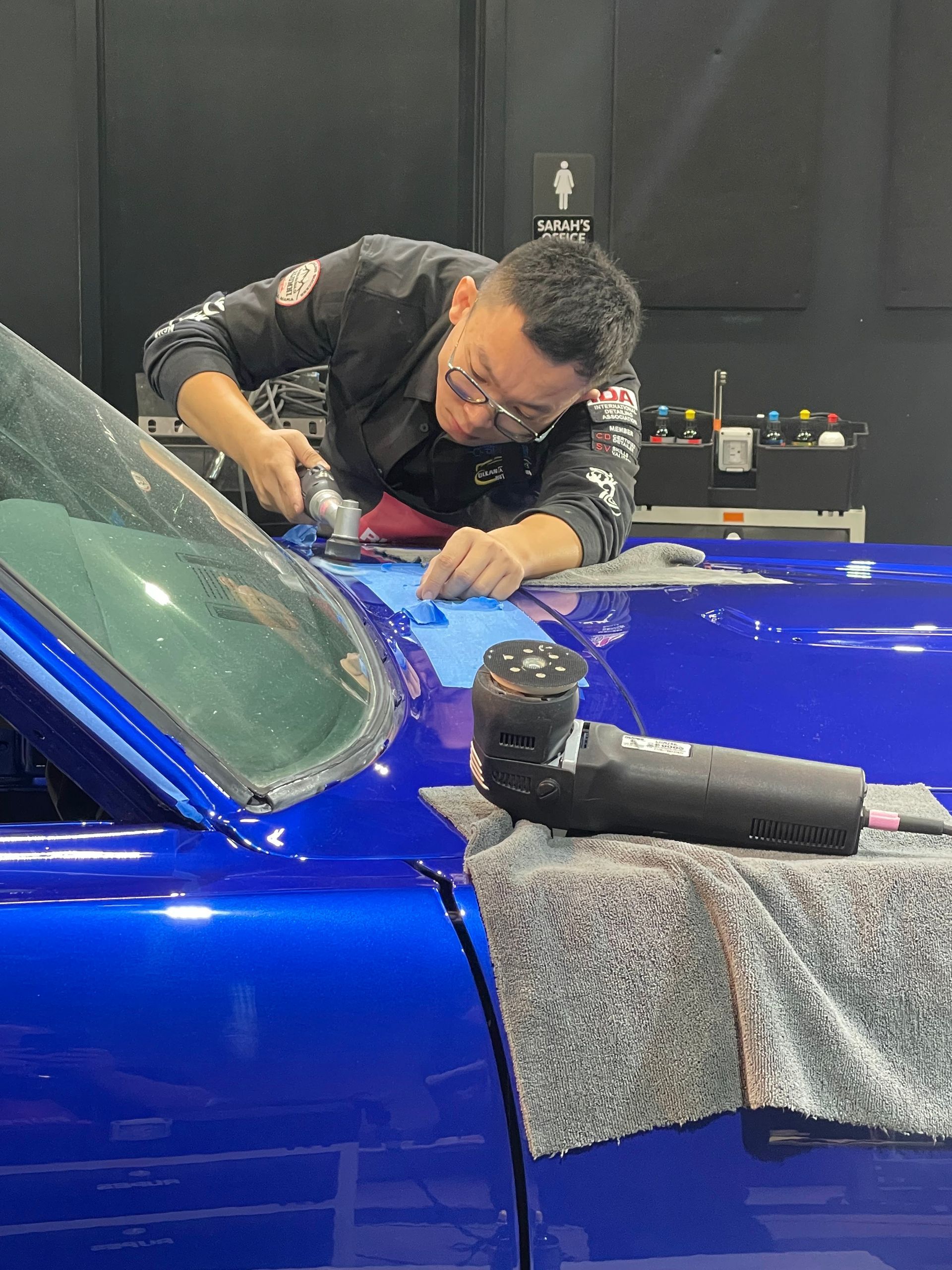
- A paint enhancement polish to restore clarity and depth
- Careful application of the coating, laid down by hand
- Time for the coating to cure and bond to the surface
Notice how much happens before the coating touches the paint. Three of those five stages are preparation, which is the whole story of why a real coating takes the time it does.
The Careful Work of Paint Preparation
Paint preparation is the heart of the job, where experience shows most. This stage decides how the finished coating will look and hold up.
It starts with getting the surface truly clean, well past what a normal wash achieves. Decontamination lifts out the bonded contaminants that cling to paint and dull it. Then comes a paint enhancement polish, close and patient work that restores clarity. Our paint correction work lives in this stage, polishing out swirl marks or light surface marring so none of it gets sealed under the coating. Done right, surface prep leaves a clean, smooth canvas, exactly what a coating needs to bond properly.
Laying Down the Coating by Hand
Once the surface is ready, the coating goes on. This is the moment people picture when they wonder how is ceramic coating applied, though by now most of the hard work is behind us.
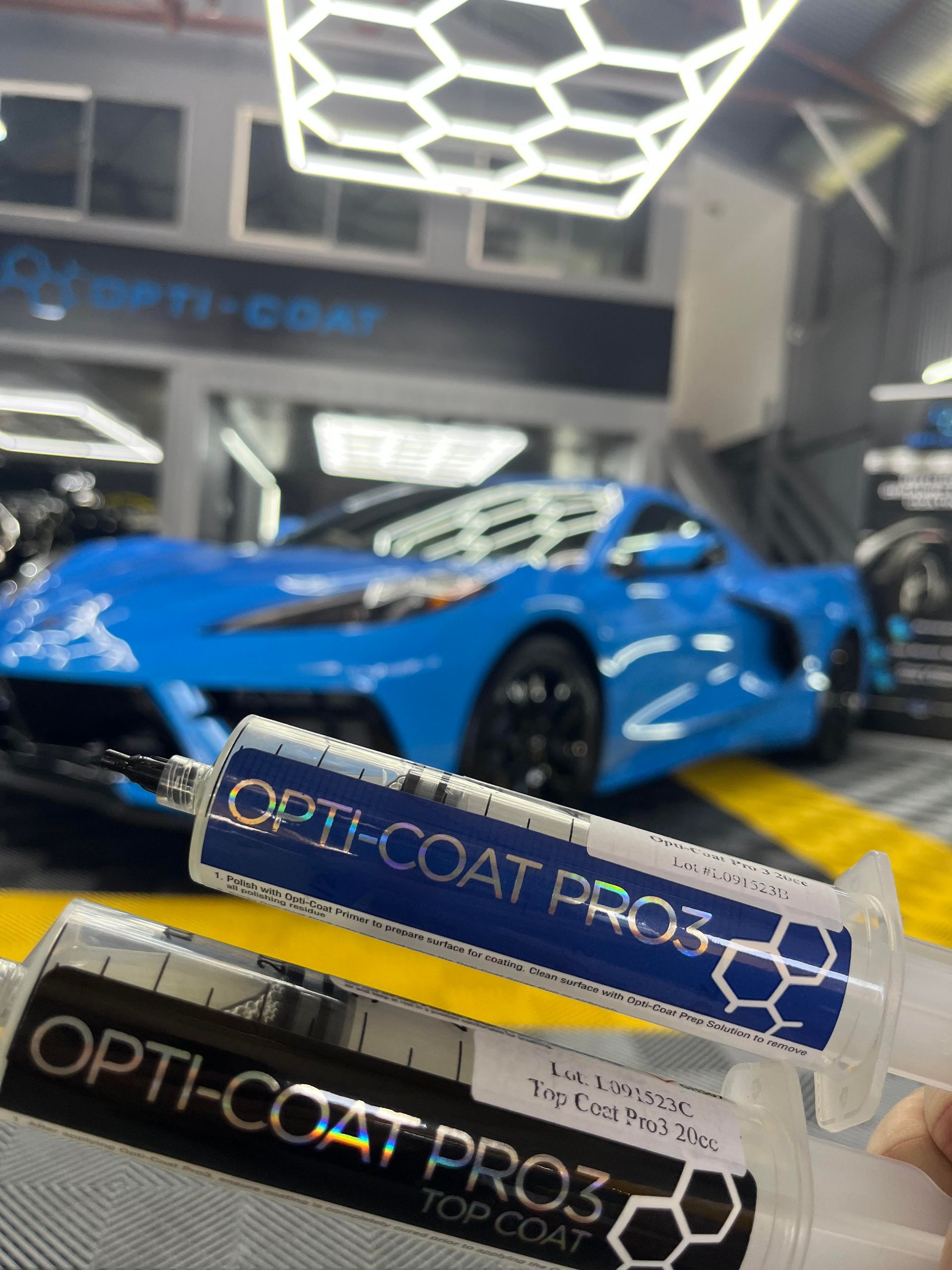
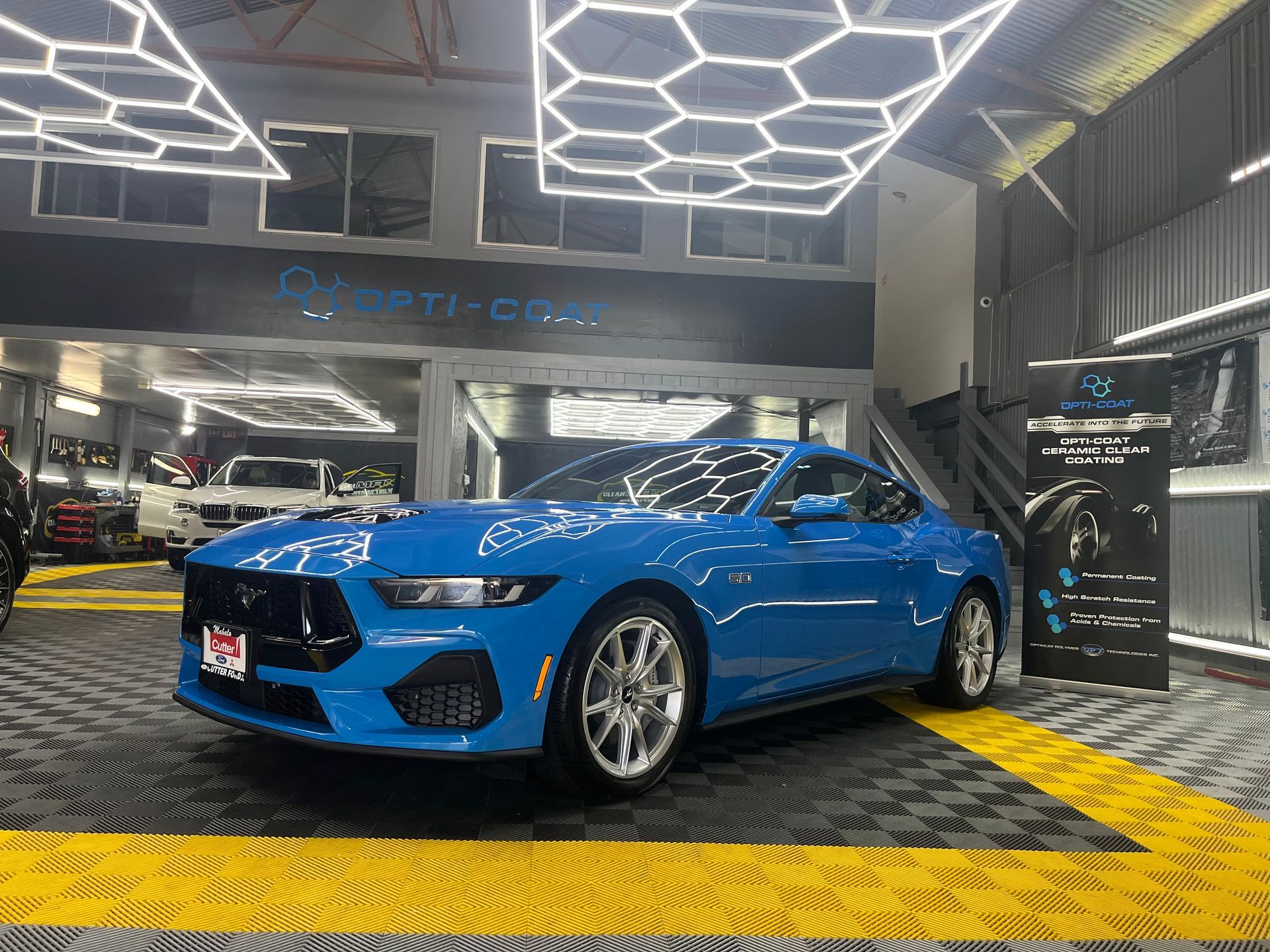
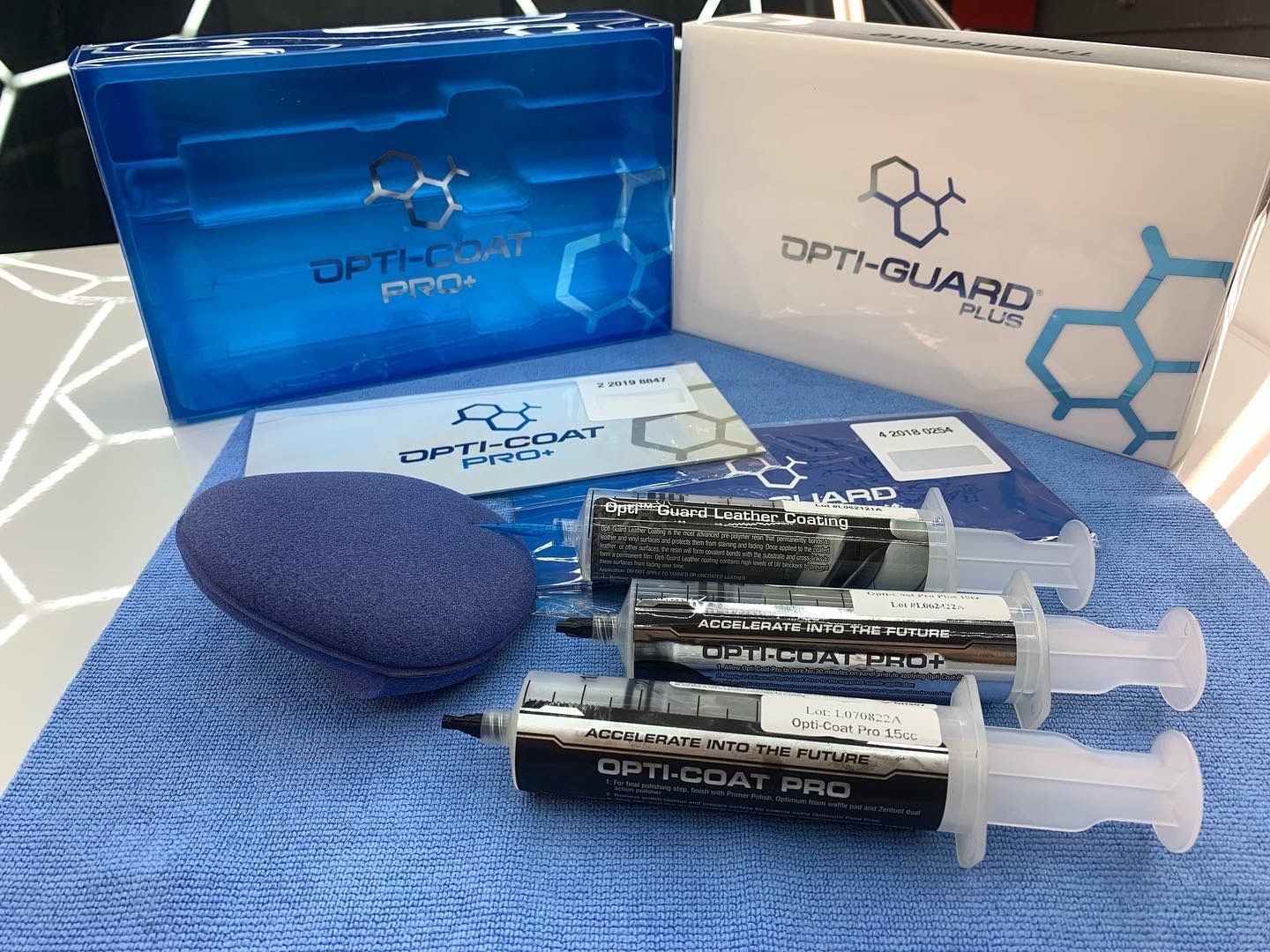
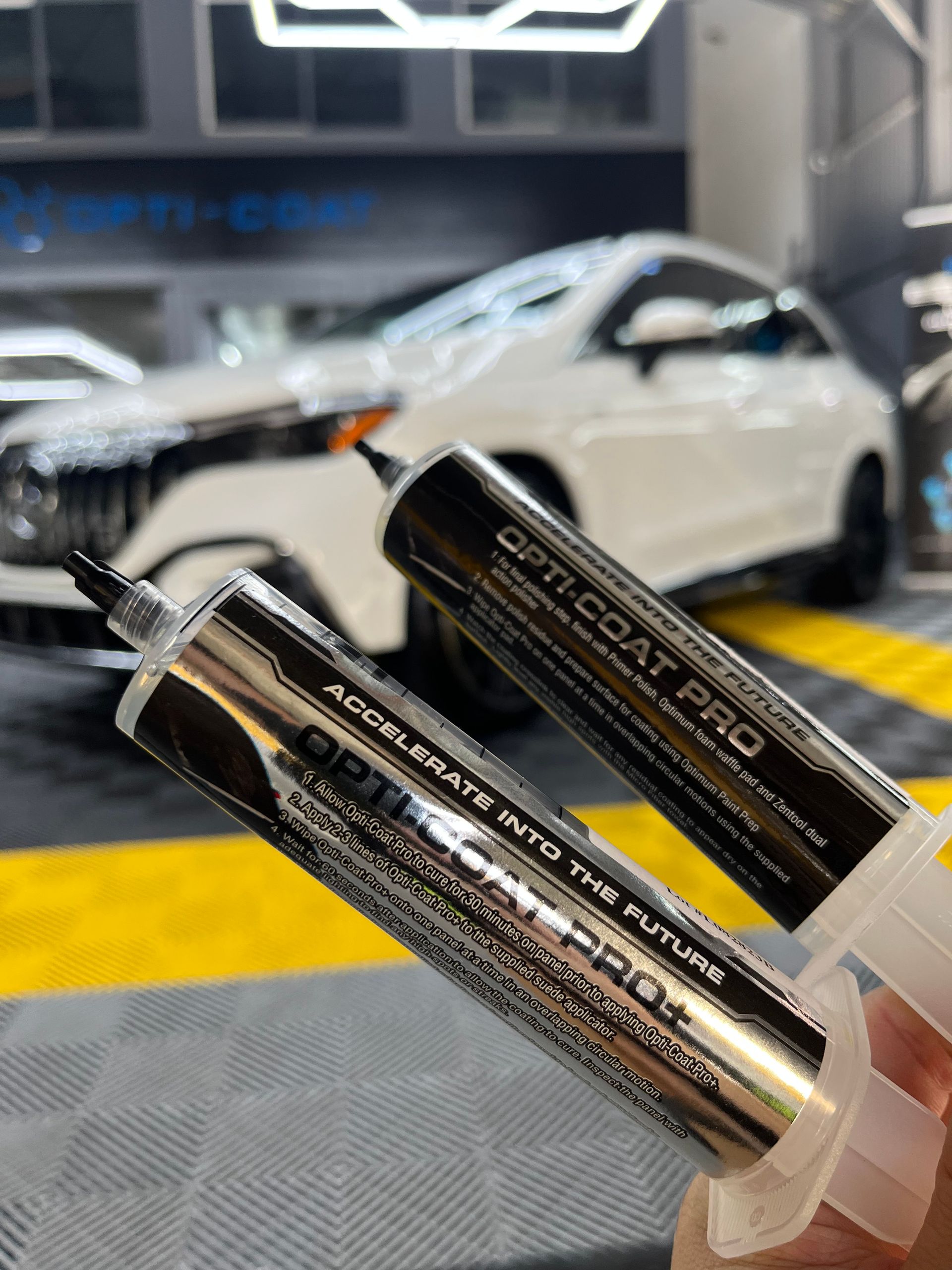
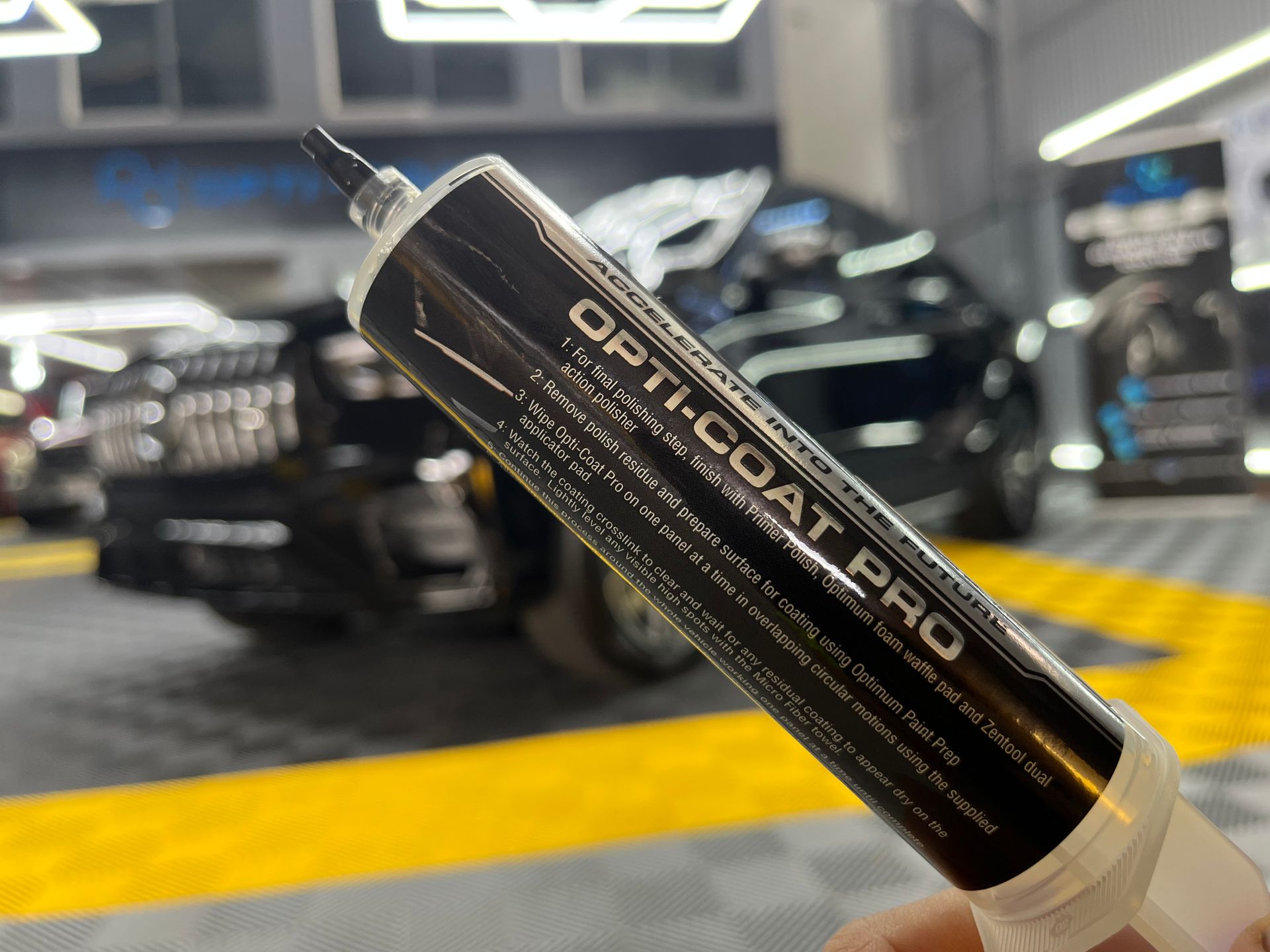
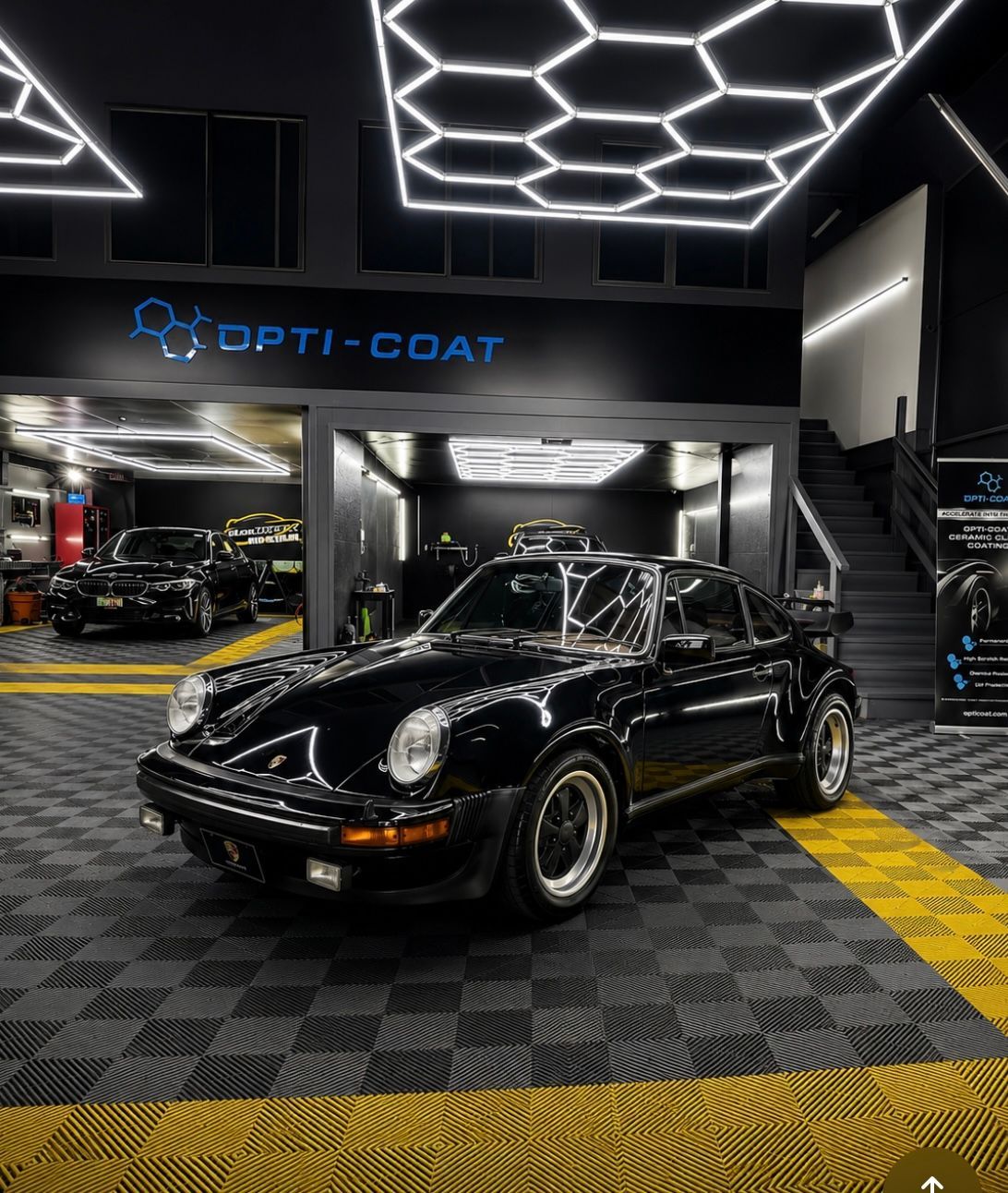
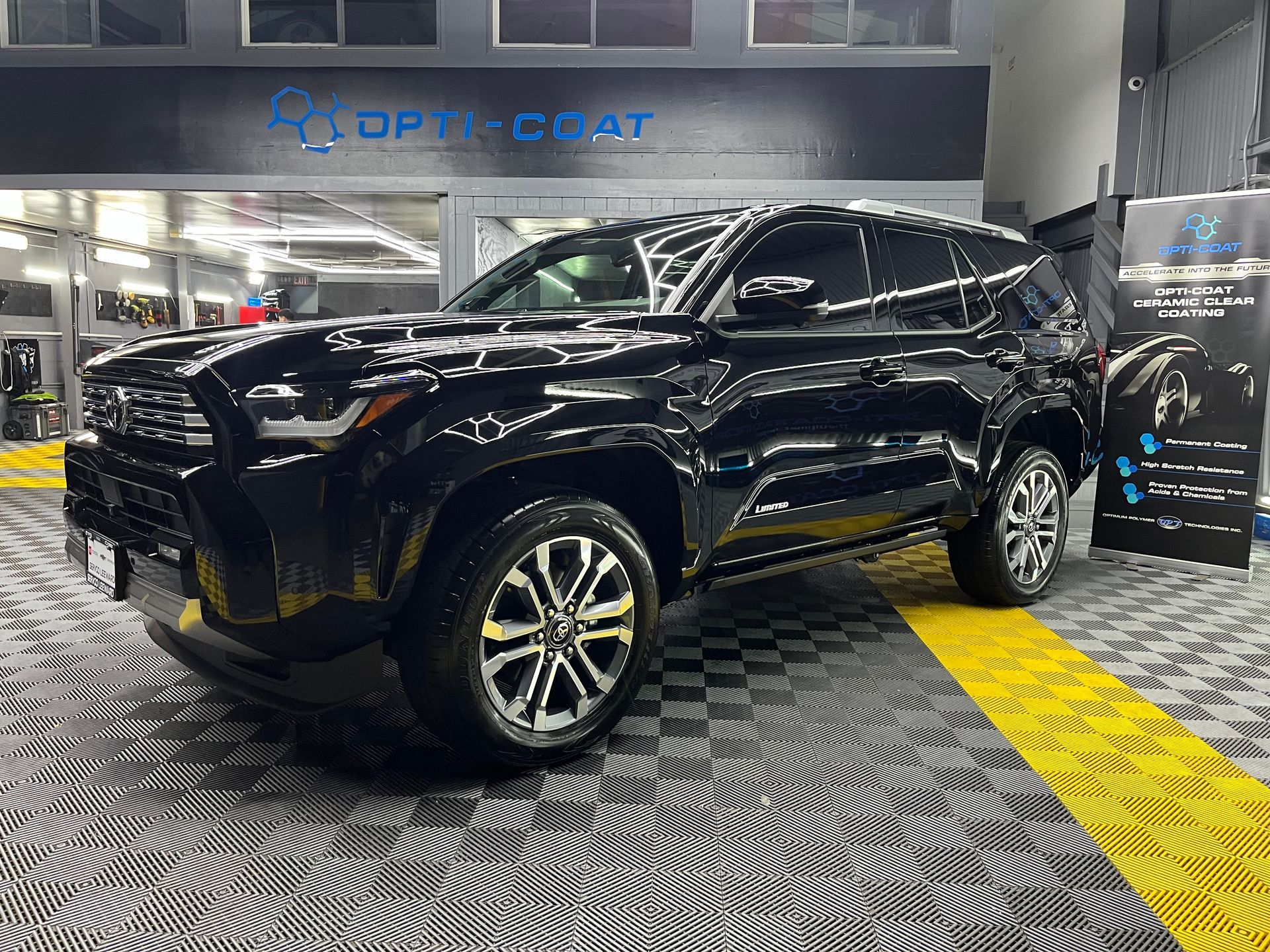
At Clean Max Auto Detailing, our chosen ceramic coating system is Opti-Coat, a professional-grade product put on by hand, carefully, across the paint. Working by hand lets the installer control exactly how the product is laid down and spread evenly. Depending on how much protection the owner wants, the coating may go on as a single layer or be built up in multiple applications for added depth. This is slow, deliberate work, where a steady, trained hand earns its keep. A liquid polymer like this is not forgiving of a rushed pass.
Curing: Giving the Coating Time to Bond
After the coating is applied, it needs time to settle in. Curing is the quiet stage that turns a freshly applied product into a hard, durable surface, and it is not something to hurry along.
As the coating cures, it forms a bond with the surfaces it covers, becoming part of the finish rather than sitting loosely on top. That bond is what gives a professional coating its durability. A studio builds this time into the job, part of why a quality coating is a measured process rather than a rushed drop-off.
What Makes a Professional Standard Different
Not all application is equal, and the difference comes down to training, patience, and standards. At Clean Max Auto Detailing, our work is led by Alex Wang, an official detailer of Air Force One. That background sets the bar for the care we bring to every vehicle. Professional detailing at this standard means not skipping stages, not rushing the prep, and handling each step as part of a whole. A few things separate careful work from the rest:
- Thorough prep rather than a quick clean before coating
- Patient, even application by a trained hand
- Proper time allowed for curing, not rushed
- Attention to the paint's condition at every stage
That standard is the real product, and it is what you get when you bring a car to Clean Max Auto Detailing. The coating is the same bottle in anyone's hands, but the result depends on the work around it.
What the Coating Protects, and What It Does Not
Being clear about this keeps your expectations grounded. A great coating is still a specific tool with specific strengths.
A ceramic coating defends the finish on the chemical and cosmetic side: grime, staining, and the slow dulling that sets in over the years. It does nothing for physical impacts, though. Kick up a pebble on the freeway and the paint can still take a chip, however skillful the application. That kind of defense calls for an impact-rated product of its own. Seeing where a coating helps and where it stops lets you judge the work for what it genuinely offers.
Trusting Your Car to the Right Hands
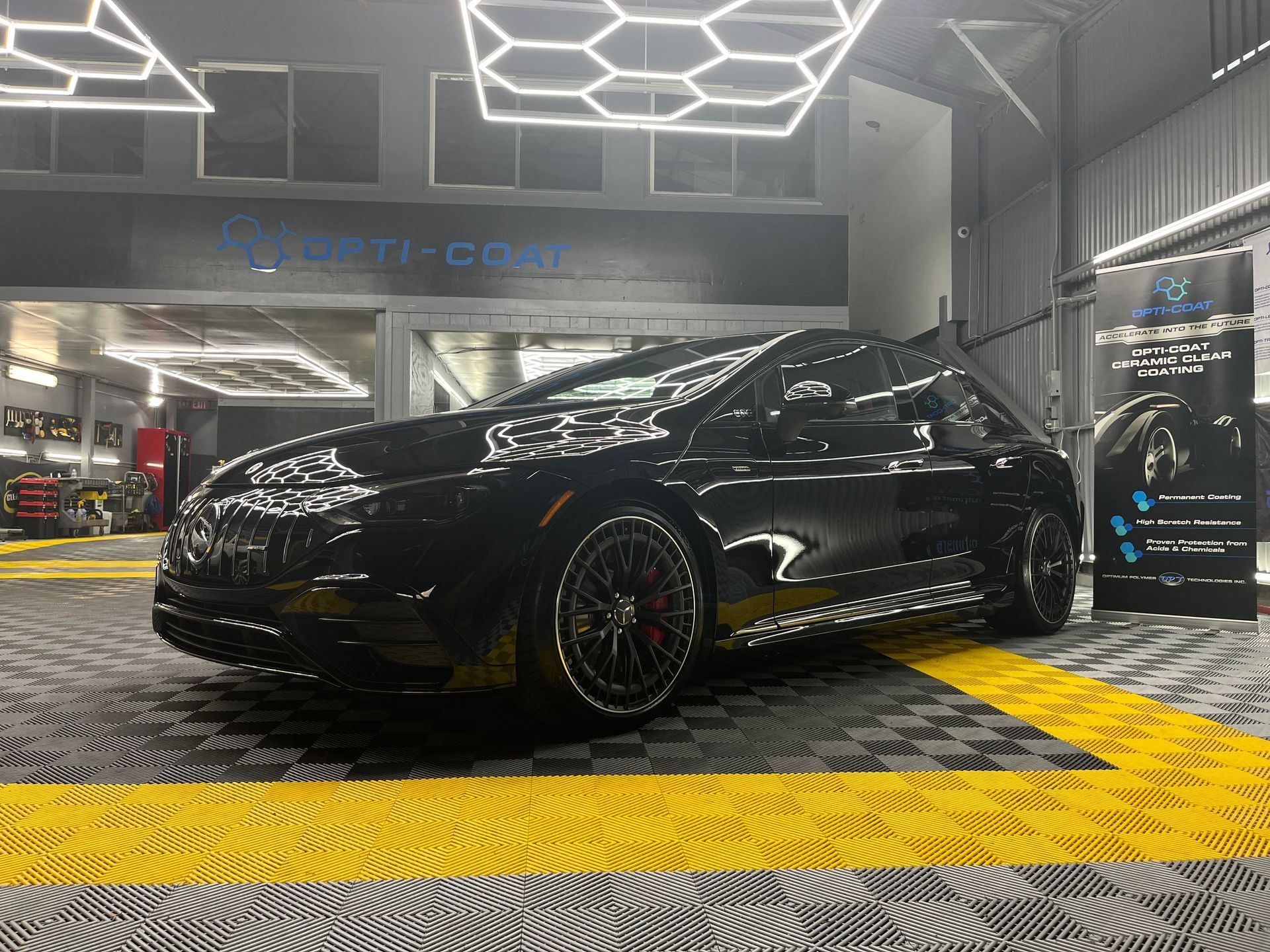
At Clean Max Auto Detailing, we believe the process is the product. The care we put into preparation, application, and curing is what keeps a vehicle looking its best in Honolulu for years, a standard we hold for every car that comes through.
Curious what a coating would involve for your specific vehicle, or how we approach the work? Send us a message from our contact page. We keep it relaxed, just an honest conversation about caring for your car.
Frequently Asked Questions
How long does a professional ceramic coating take?
It depends on the vehicle and how much protection the owner wants, but a quality job is not a quick one. Most of the time goes into preparation: the washing, decontamination, and paint enhancement before the coating is applied. The application itself is careful, hand-done work, and then the coating needs time to cure. Good work takes real time, and that time is a big part of what you are paying for.
Why does the paint need so much preparation first?
Because a coating locks in whatever sits beneath it. If the paint carries bonded grime, swirl marks, or light surface marring when the coating goes on, those flaws end up trapped under the finish. Thorough paint preparation, the decontamination and enhancement polish, gives the coating a clean, smooth surface to bond to. That is what lets the result look deep and sharp rather than preserving a dull surface. Skipping prep is the most common reason a coating disappoints later, which is why careful studios make it the heart of the job.
Can I apply a ceramic coating myself at home?
When owners ask how is ceramic coating applied, this article walks through what professionals do, rather than serving as a do-it-yourself guide, and there is a reason for that. Proper surface prep, even application, and correct curing all take training, the right tools, and experience. Mistakes at any stage can get sealed into the finish, and they are hard to undo once the coating has bonded. A professional studio brings the proper tools and the trained hands that make the difference. For a product meant to last, having it applied correctly the first time is worth leaving to the pros.
What does curing actually do?
Curing is the stage where the freshly applied coating hardens and forms a bond with the surfaces it covers. Instead of sitting loosely on the paint the way a wax would, a cured coating becomes part of the finish, which is what gives it durability. Rushing or interrupting this stage can compromise how well the coating performs, so a careful studio allows the proper time. Think of it as the coating setting into place, the quiet final step that locks in all the careful work before it.
Does a better application make the coating last longer?
The quality of the work has a real effect on the outcome. A coating applied over properly prepared paint, laid down evenly, and allowed to cure fully has the best chance of performing the way it should. Rushed prep or a careless application can shorten how well a coating holds up, even if the product itself is excellent. That is why the studio and the standard matter as much as the coating you choose.