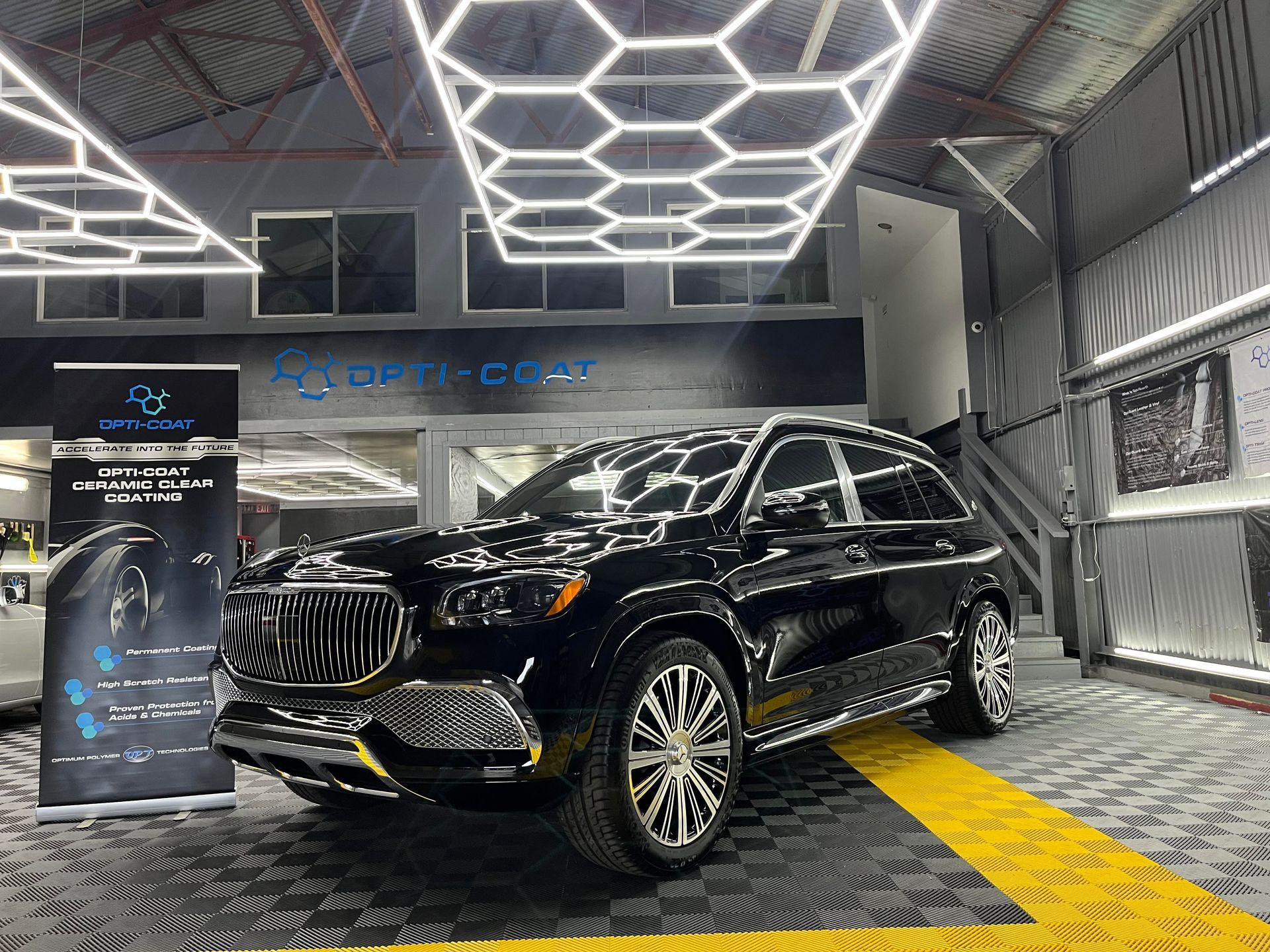
Professional vs DIY Ceramic Coating: What the Difference Buys
You have seen the kits for sale. A bottle, some cloths, a how-to video, and a price that makes the professional quote look steep. If you are handy and take care of your things, the appeal is obvious. Why pay a studio when you could do it in your own driveway for a fraction of the cost? It is a fair question, and the professional vs diy ceramic coating debate deserves an honest answer, not a scare tactic.
So here it is upfront. The kits are real products, and a careful owner can get a decent result on a forgiving finish. The gap is not that store bottles are fake. It is everything around the bottle: the preparation, the control, and the experience that decide how the coating turns out. On a daily beater, the stakes are low. On a vehicle you care about, they matter far more.
This article lays out the real trade-offs so you can decide for yourself: where a kit can serve you, where the professional difference earns its cost, and the honest risks of getting it wrong on a finish you care about. No talking down to anyone who likes doing their own work, just a clear look at what separates the two paths.
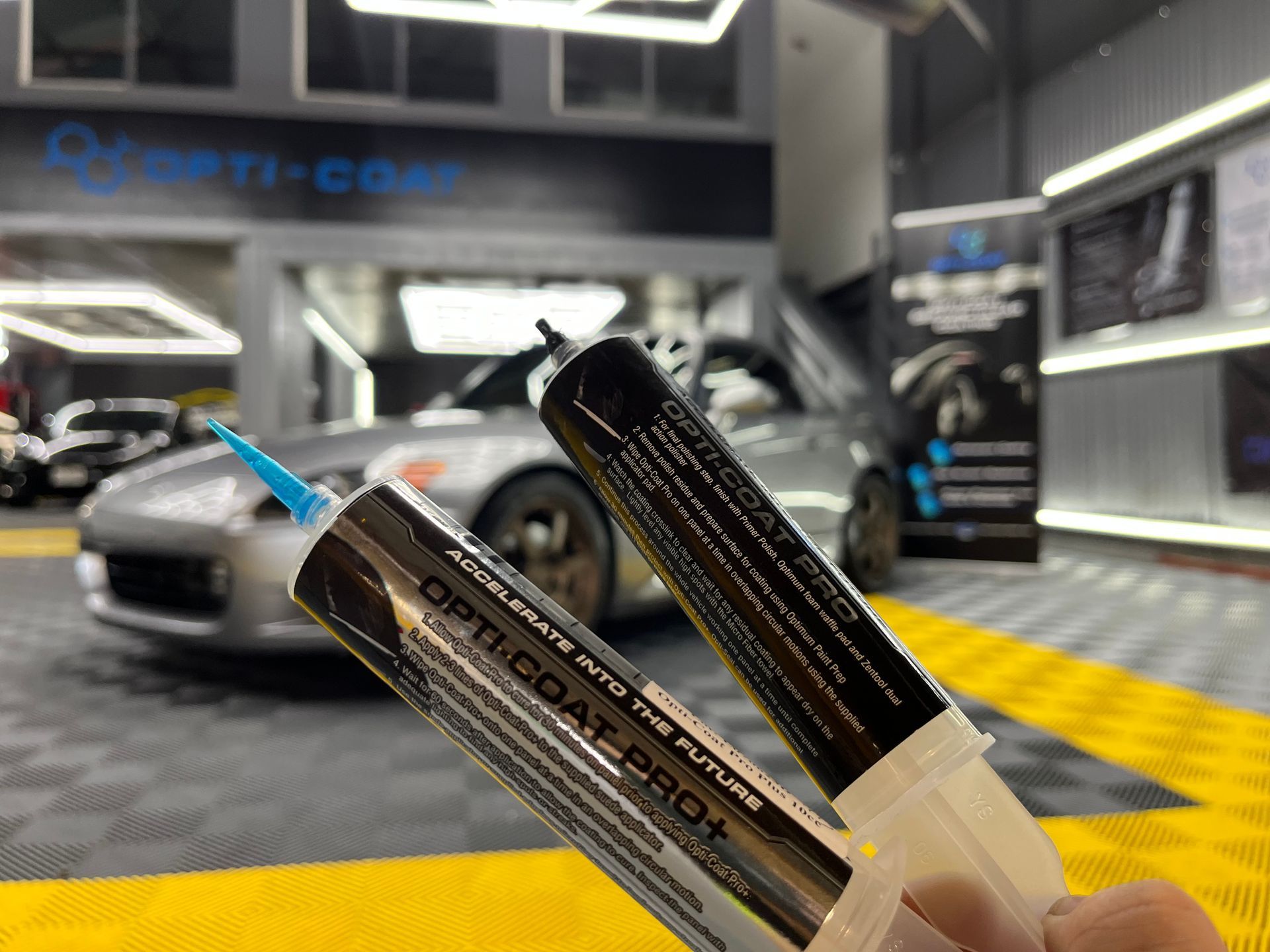
The Appeal of the DIY Route
Let us give the kits their due, because the appeal is genuine. For the right person and the right car, a do-it-yourself approach can make sense.
A consumer kit costs less up front, and there is real satisfaction in doing the work yourself. If you have an older car, a weekend project, or simply enjoy the process, a kit lets you get hands-on without a studio appointment. Plenty of capable owners have laid down a bottle and come away happy. The trouble is that a happy result leans heavily on the paint already being in good shape and the work being done just right. That is a bigger if than the kit boxes admit.
Professional vs DIY Ceramic Coating: Where the Difference Lives
So where does the real gap show up in the professional vs diy ceramic coating question? Less about the bottle, more about everything around it. Three areas separate a professional job from a driveway one.
Here is where the paths diverge most:
- Preparation, which decides what the coating actually seals onto the paint
- Product grade, meaning the strength and class of coating being used
- Durability, or how long the finished result holds up over time
None of these is about talent or effort. A careful owner can work hard and still hit walls in all three, simply because the tools, products, and training sit on the professional side.
The Preparation Gap
This is the honest centerpiece of the comparison. Preparation is where most driveway jobs fall short, and it has nothing to do with how careful the owner is.
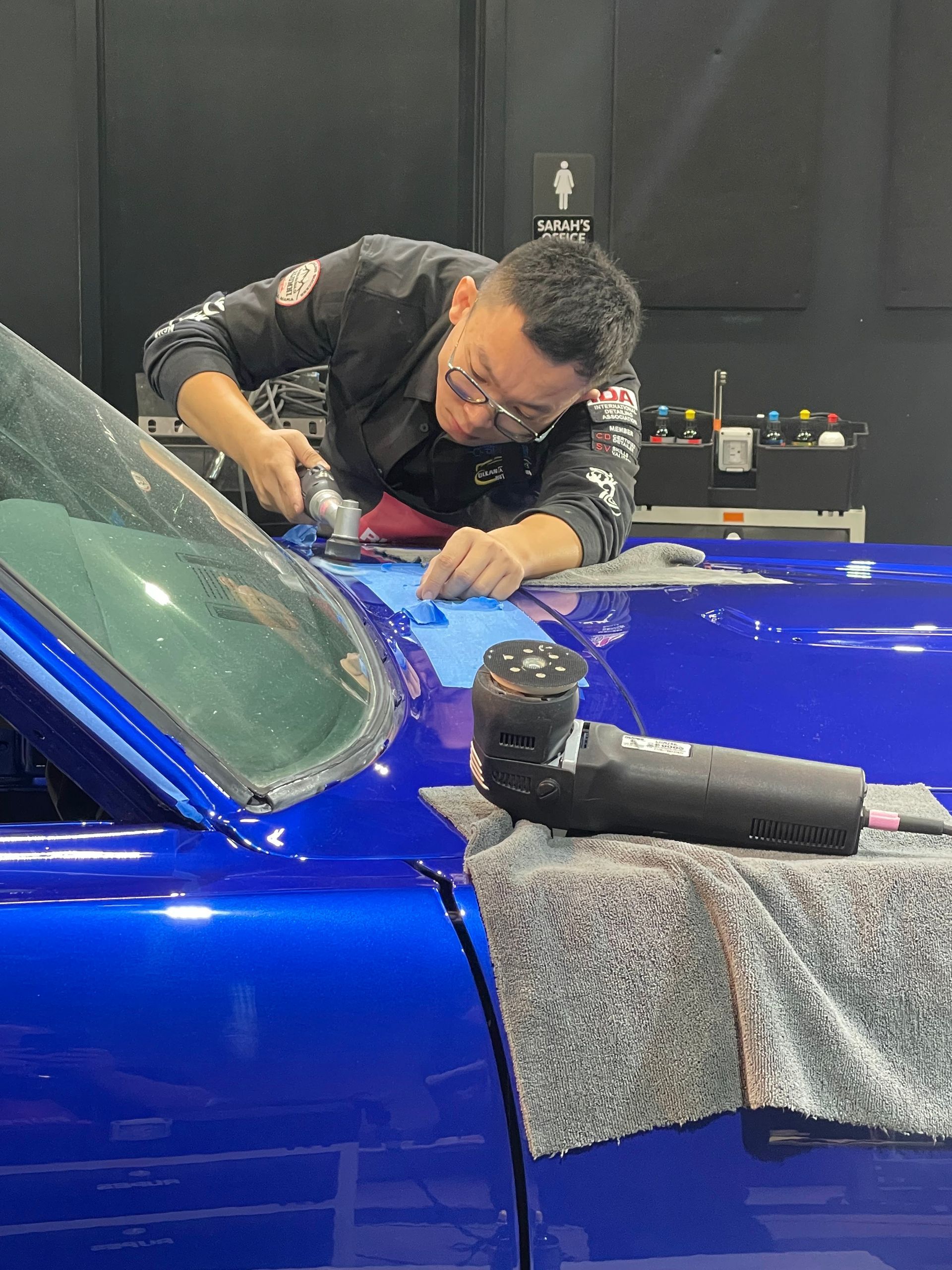
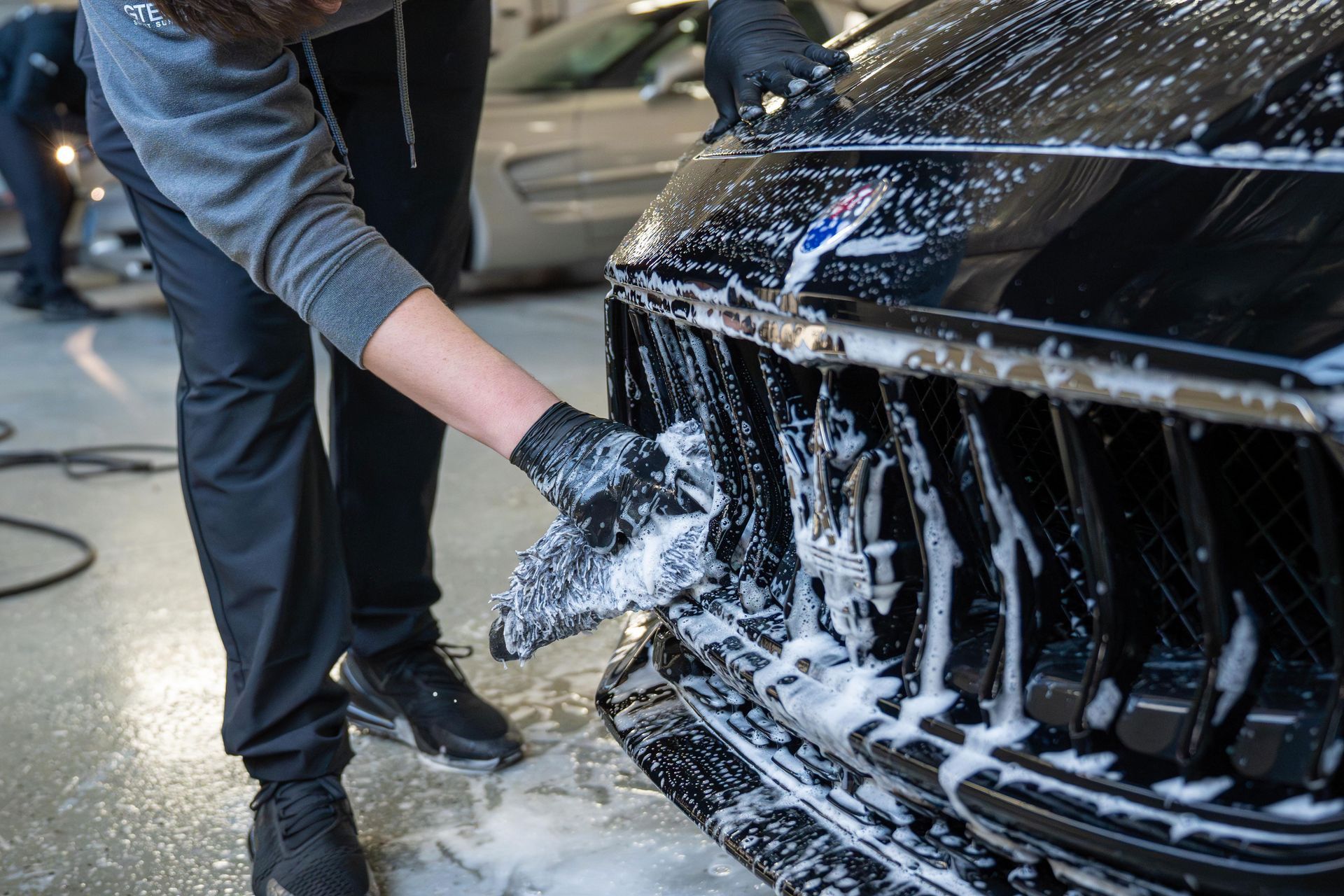
A coating preserves whatever is beneath it, so the paint has to be corrected and cleaned before anything seals it. That means decontamination and often paint correction, clearing swirl marks or light surface marring first. Our paint correction work is a craft of its own, using cutting, buffing, and polishing to bring a finish back before a coating ever touches it. Most kits skip this, or assume your paint is already perfect. It rarely is. Lay a coating over an uncorrected finish and you trap the flaws instead of removing them, which is how most driveway jobs end up disappointing.
Product Grade and What It Means
The coating itself also differs between the shelf and the studio, though not in the way most assume. It is about the class of product and how it is meant to be applied.
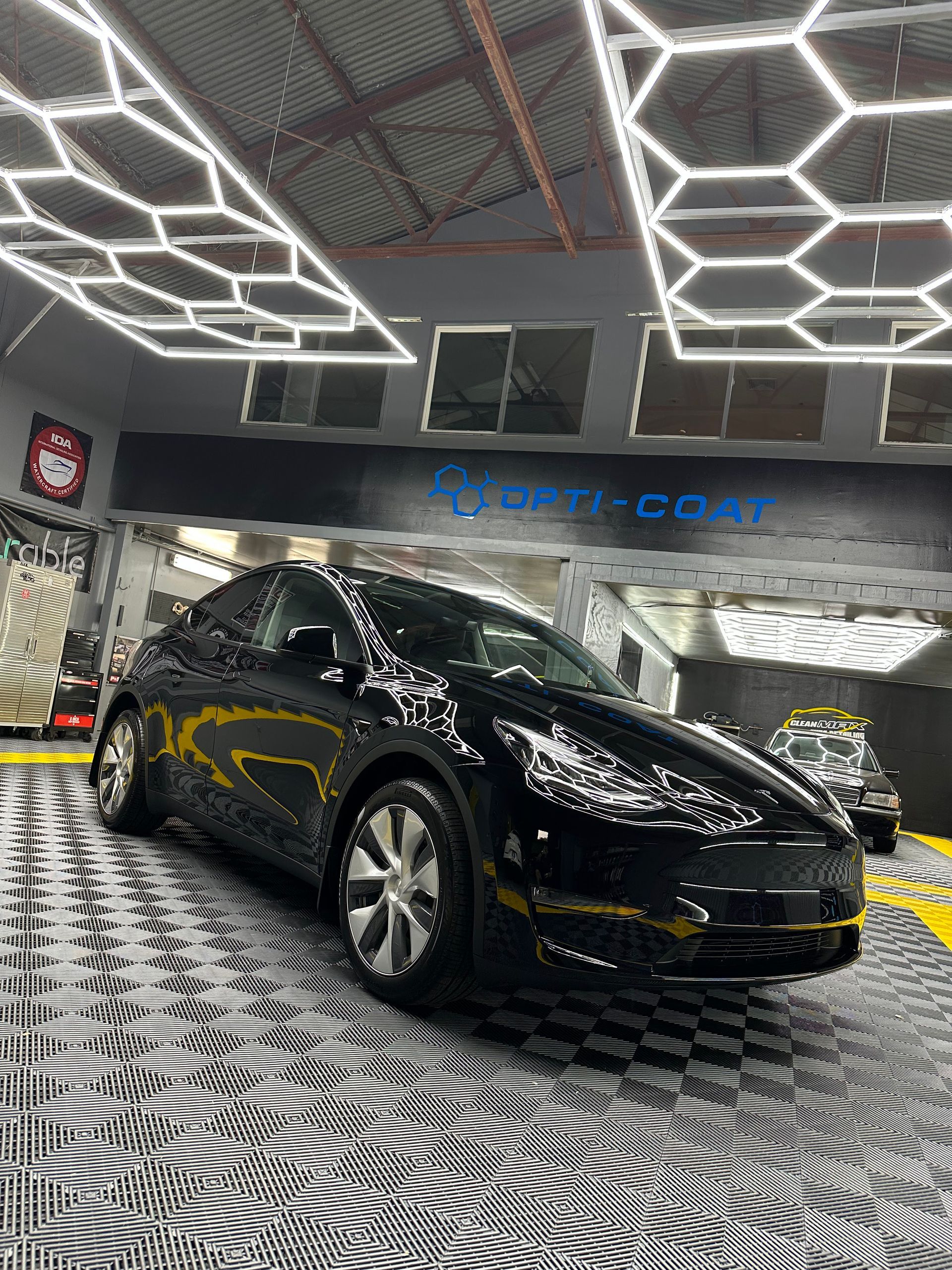
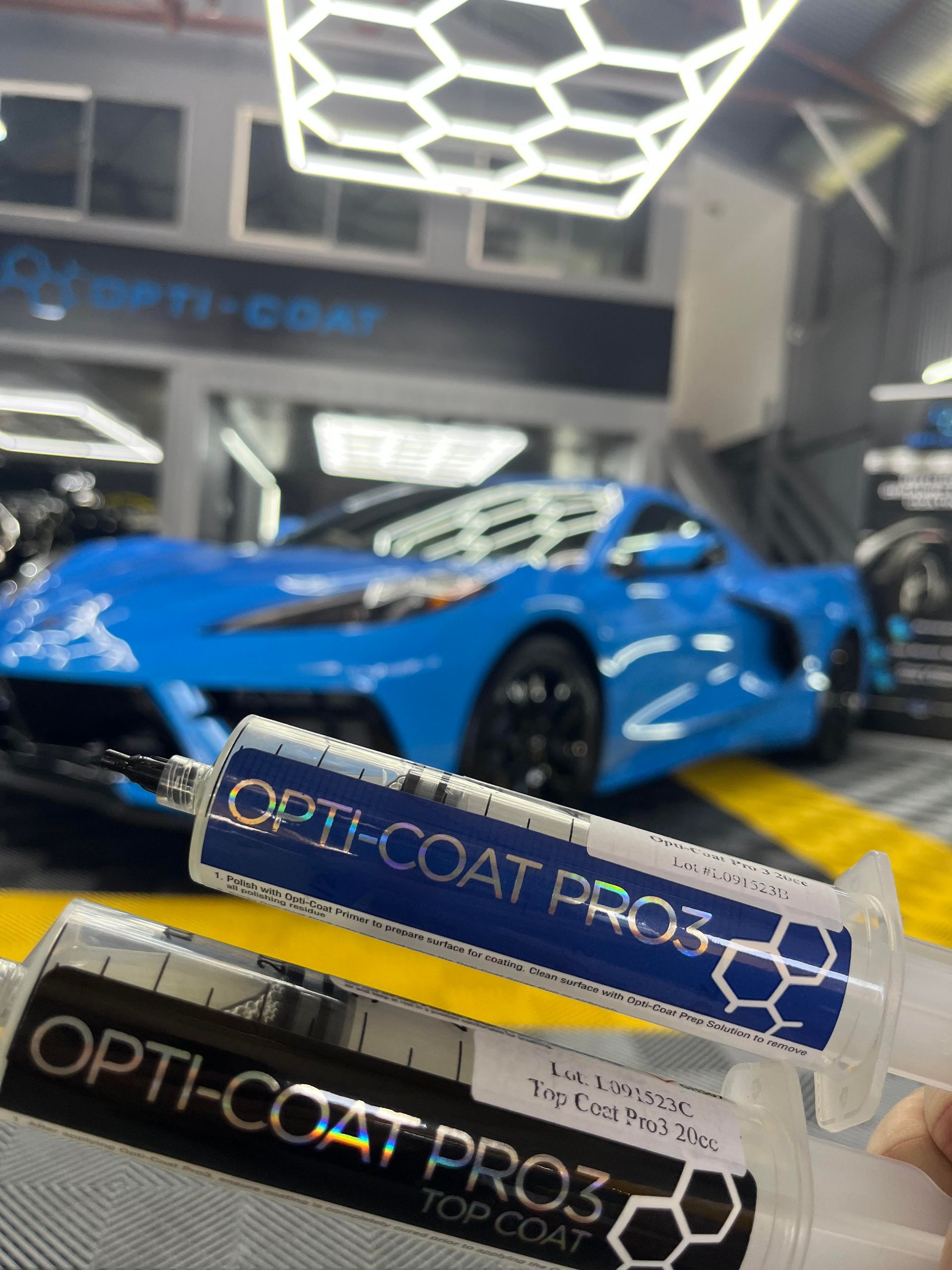
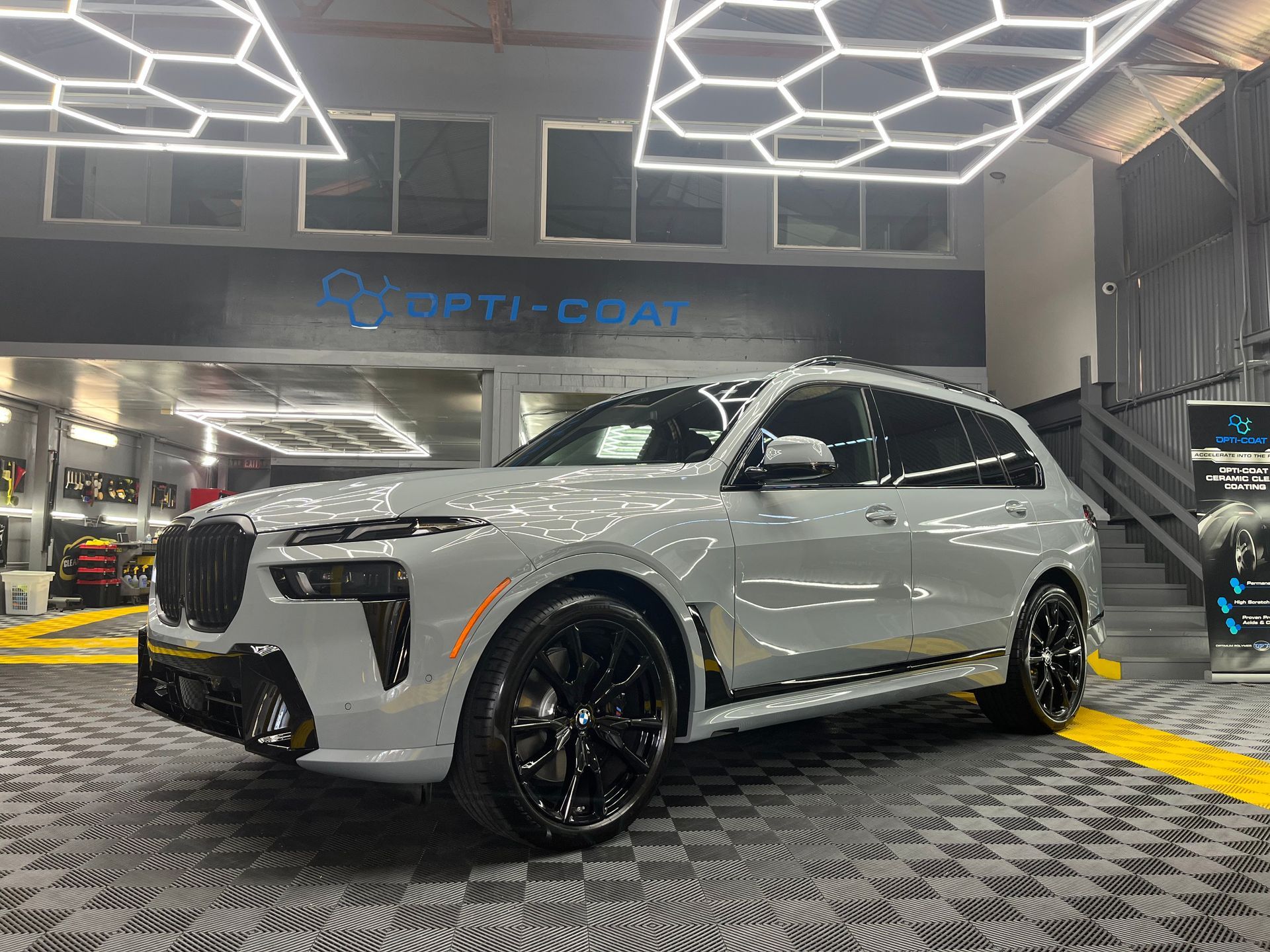
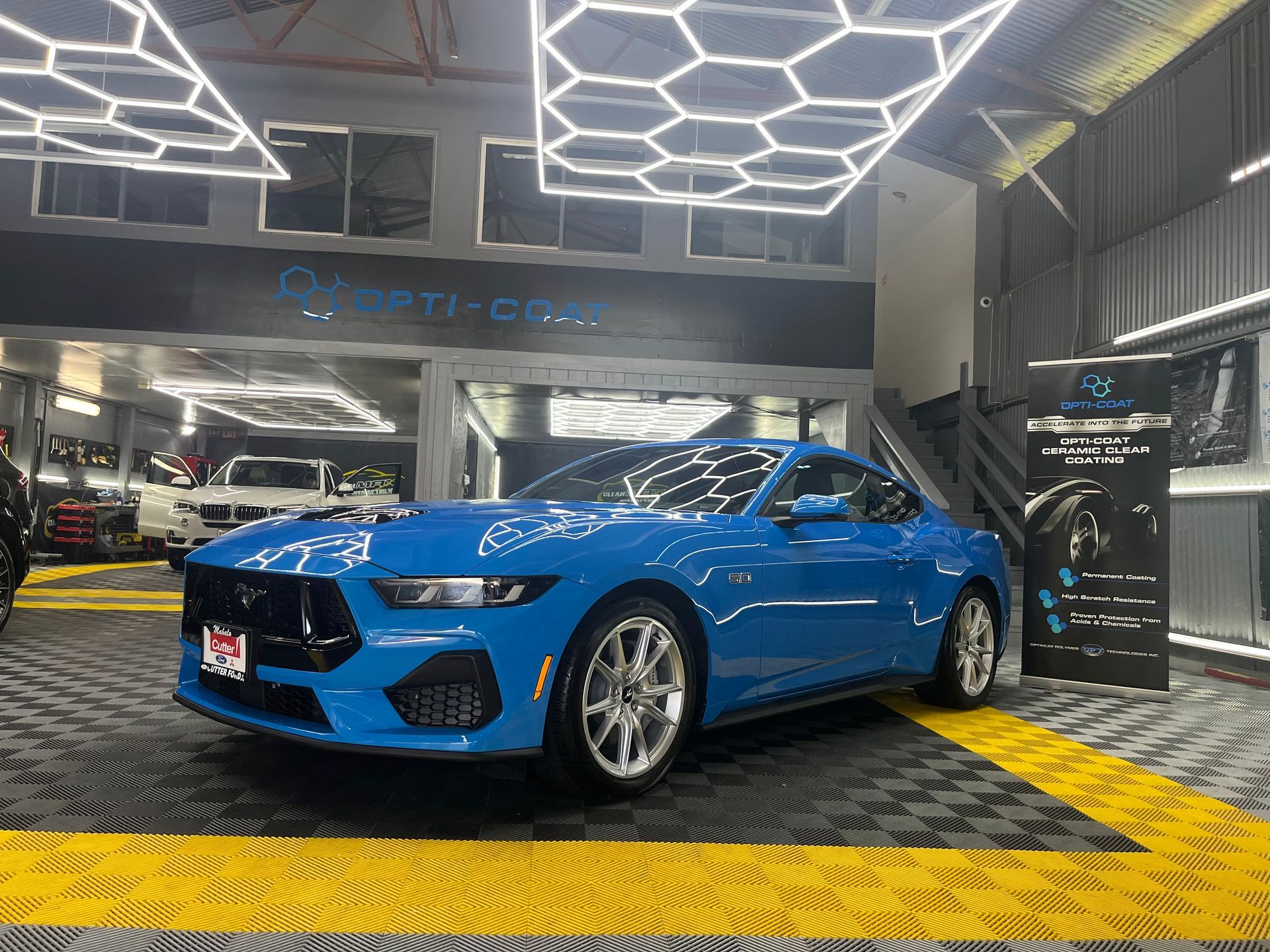
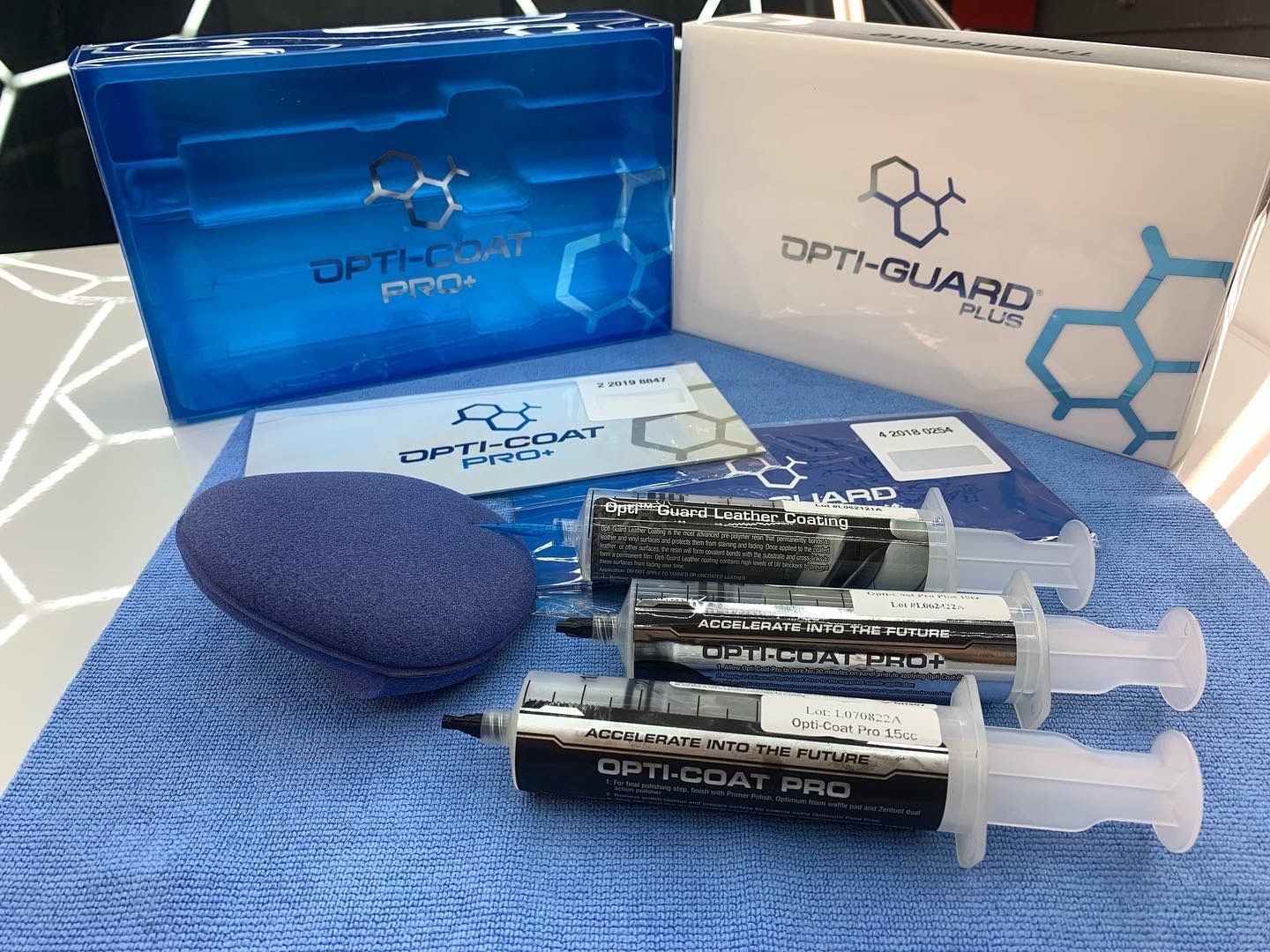
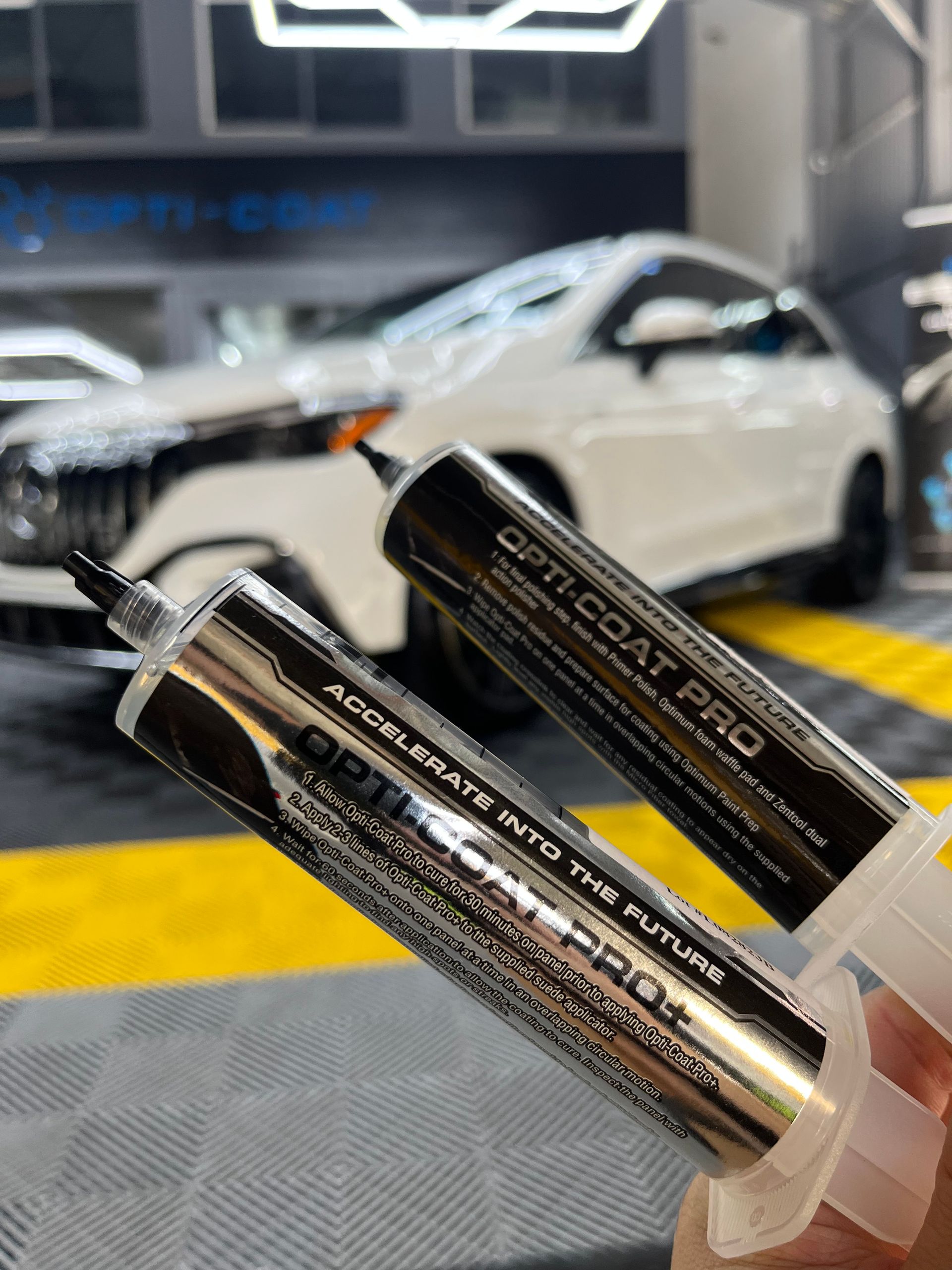
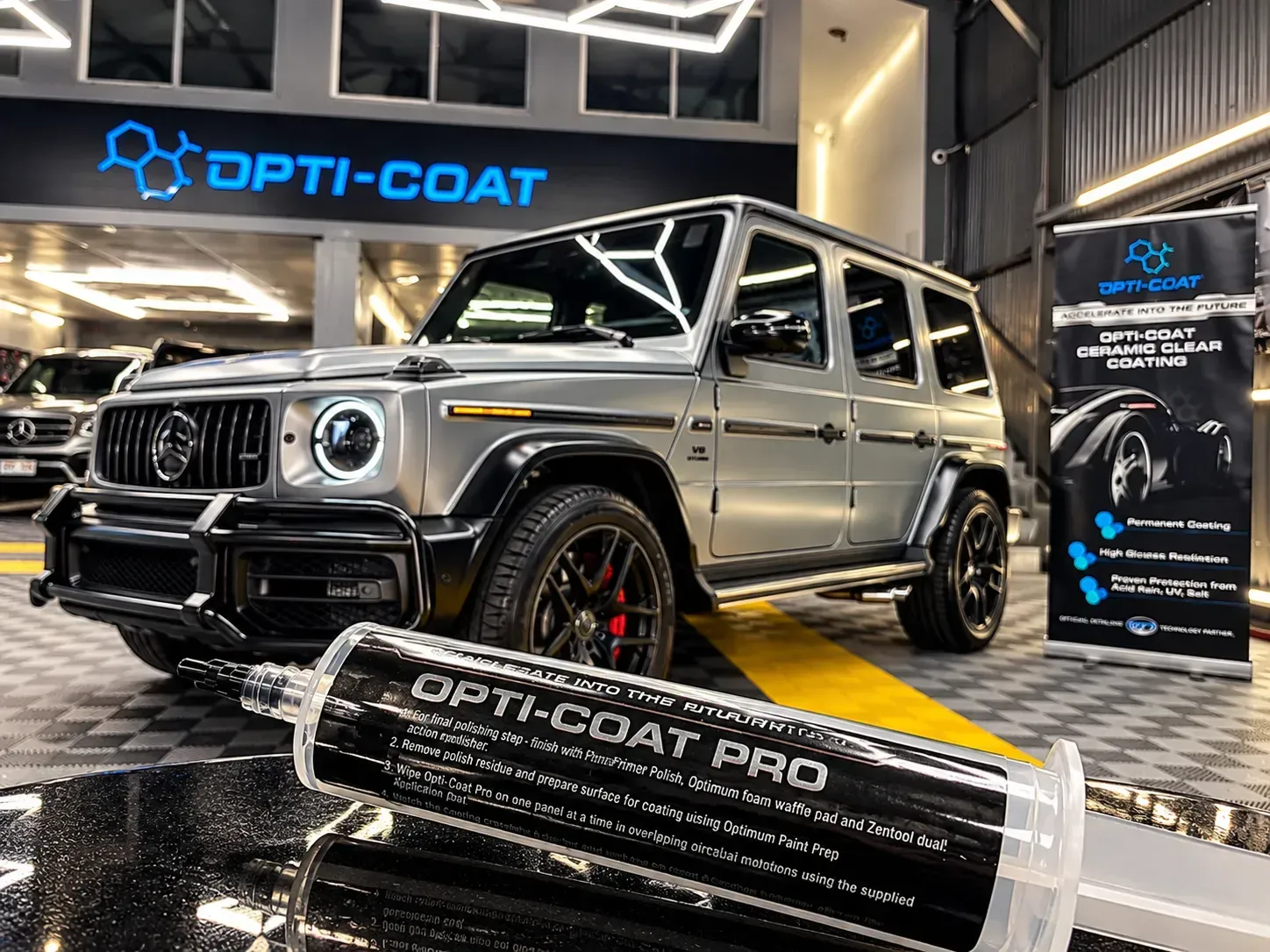
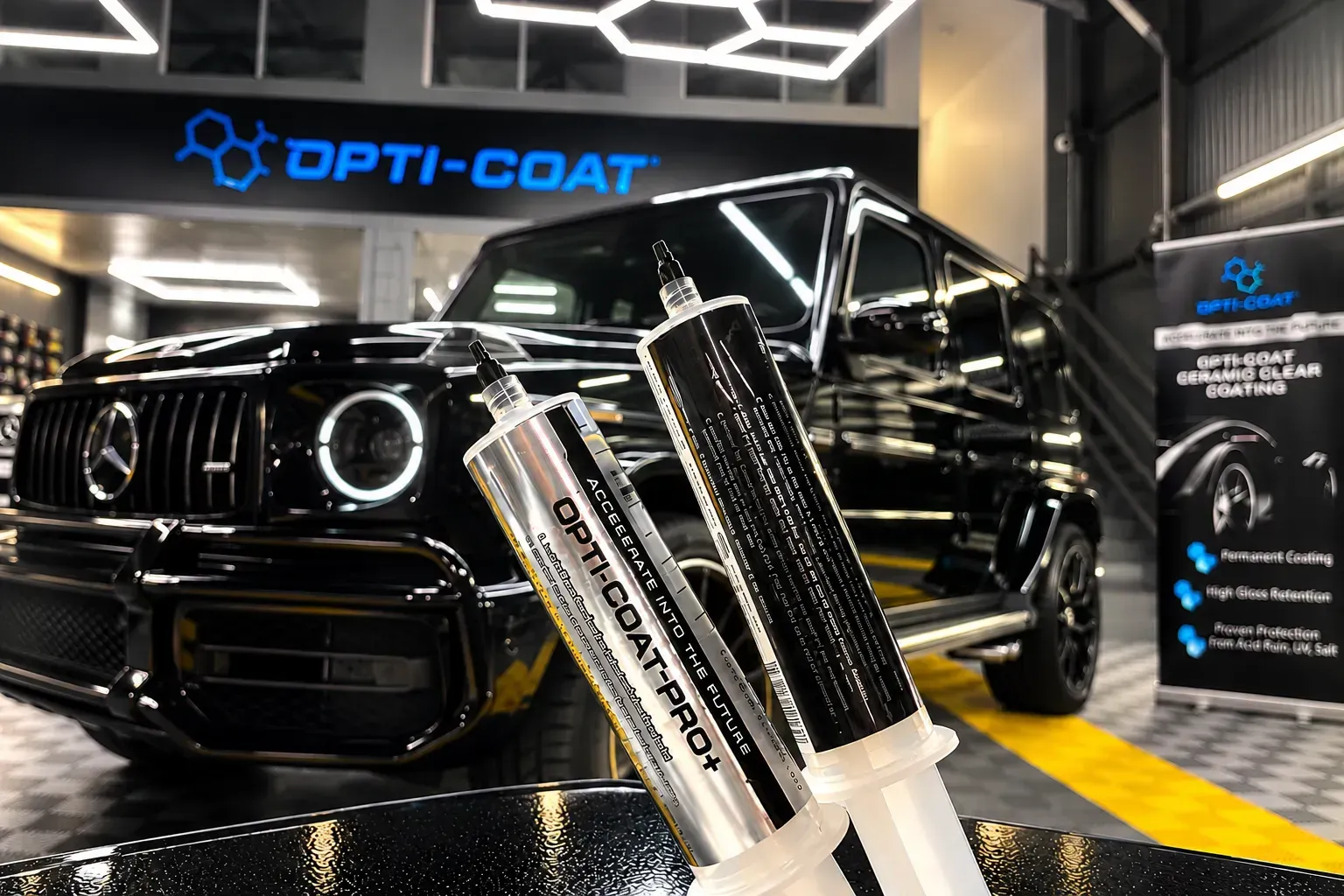
At Clean Max Auto Detailing, our ceramic coating of choice is Opti-Coat, a premium system we apply as an authorized installer, meant for careful, controlled work rather than a quick wipe-on. Consumer kits are formulated to be more forgiving for first-time users, which is sensible, but that often means a different product grade than what a studio works with. Professional application matters too. An experienced hand lays the coating down evenly and reads the paint as the work goes, which is hard to replicate from a video on your first try.
Durability and the Honest Risk
Durability is where the two paths often part ways over time, tying right back to the prep and the application. A coating can only perform as well as the surface and work beneath it allow.
A professionally prepared and applied coating stands the best odds of holding up for years, because the surface was right and the application was even. A kit over rushed prep, or spread unevenly, can wear or look patchy sooner, though the product itself may be sound. And a coating is durable by design, which cuts both ways: if a kit sets over a flawed finish, those issues get sealed under a layer built to last. Fixing that later means carefully removing or working through the coating, more involved than the original job would have been with a professional. On an inexpensive car, that risk may be worth taking. On a finish you care about, a mistake can erase the savings that drew you to the kit, which is the trade-off to weigh honestly. The professional route, the kind of work we do at
Clean Max Auto Detailing, is a bigger spend now for a better shot at lasting results.
What Neither Option Changes
Whichever path you choose, keep the protection in perspective. Any ceramic coating is built for chemical and cosmetic defense, the kind of grime, staining, and dulling that tires a finish out. Physical impacts are outside what it can do. A pebble kicked up while driving can still chip the paint, whether the coating came from a studio or a bottle. Defending against gravel and road debris calls for a different product made to take impacts. This is true of every coating, so it is not part of the professional versus kit question at all.
Making the Choice That Fits You
At Clean Max Auto Detailing, we respect owners who like to do their own work, so our take on professional vs diy ceramic coating is an honest comparison, not a hard sell. For some cars and owners, a kit is a reasonable choice. For a finish you want looking its best for years, the preparation and professional application are usually where the value lives.
Want to talk through what makes sense for your own car? Our contact page is the easiest way to start. Expect no sales push, just a straight conversation about your vehicle and what you want from it.
Frequently Asked Questions
Are DIY ceramic coating kits any good?
They are real products, and a careful owner can get a decent result with one, so they are not a scam. The catch is that a good outcome leans heavily on the paint already being in good shape and the application being done just right. A consumer kit is formulated to forgive first-time users, which helps, but it cannot make up for skipped preparation or an uneven hand. On an older finish, a kit can serve you well. On a vehicle you care about, the gaps in prep and application are where results tend to fall short.
What does a professional coating include that a kit does not?
Mostly the work around the bottle. A professional job includes thorough preparation, which usually means decontamination and paint correction to restore the finish before anything is sealed onto it. It also brings a premium, installer-applied product and an experienced hand for even, controlled application. A DIY coating kit gives you the coating and some basic materials, but the preparation, the product grade, and the application experience are left to you. That surrounding work is the real difference, and it most decides how the finished coating looks and holds up.
Why does paint preparation matter so much with a coating?
Because a coating locks in the condition the paint is already in. If the paint still holds everyday grime, plus swirl marks or light surface marring, all of it ends up trapped under a durable layer rather than removed. Proper paint preparation, including decontamination and correction, leaves the coating a clean, ready surface to bond onto. This is the step most kits gloss over, and it is the single biggest reason a driveway job can disappoint later. Skilled prep is also the hardest part to replicate at home, since it takes the right tools and plenty of experience to do well.
Will a professional coating last longer than a DIY one?
It has a better chance to, though in the professional vs diy ceramic coating question, durability depends on more than the bottle. A coating applied over properly corrected paint, laid down evenly by an experienced installer, stands the best odds of lasting the way it should. A kit applied over rushed prep or spread unevenly can wear or look patchy sooner, regardless of how sound the product is. So the professional advantage comes mostly from the preparation and the application, not from some secret ingredient. Good upkeep afterward then helps either coating hold up.
Does any ceramic coating stop rock chips?
No, and this holds true for every ceramic coating, pro or kit. A coating is made to resist chemical and cosmetic wear, meaning grime, staining, and dulling, not physical hits. A loose stone on the road can still chip your paint no matter who applied the coating. That kind of defense comes from a separate product made to absorb impacts. So this point is not part of the professional versus kit decision at all, just a useful thing to understand about what any coating can and cannot do.